
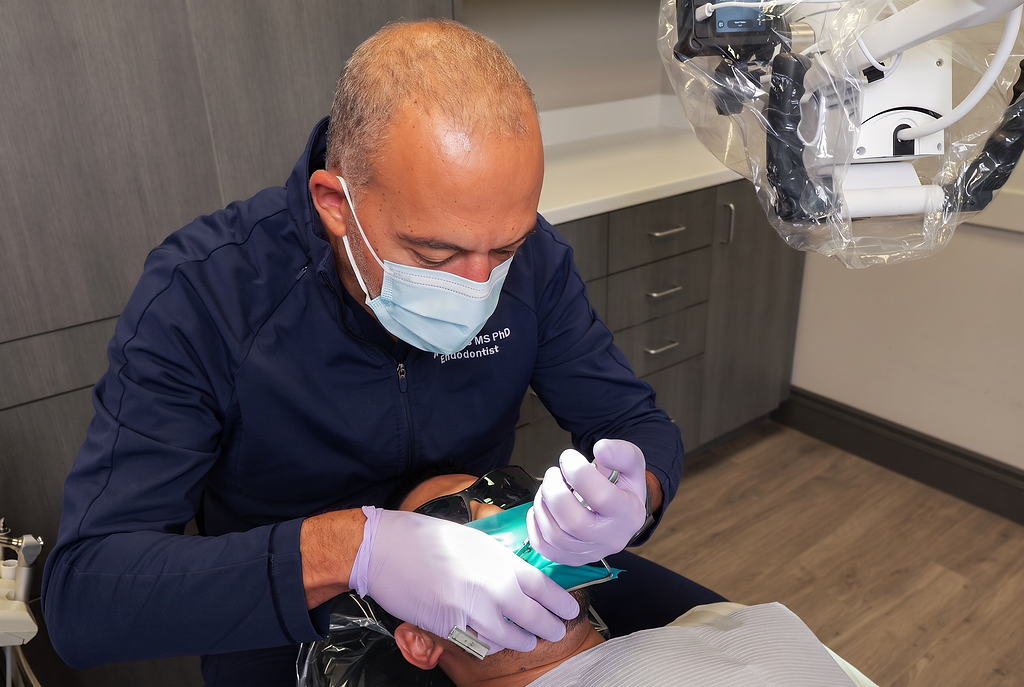
Specialized Care to Preserve Natural Teeth
When the tissue inside a tooth becomes inflamed, infected, or injured, or when disease persists after previous treatment, endodontic treatment may offer a way to relieve pain and keep the natural tooth.
Dr. Ashraf Eid is an endodontist with advanced specialty training in diagnosing and treating conditions involving the dental pulp — the soft tissue inside the tooth — and the tissues surrounding the roots. His clinical practice is dedicated entirely to endodontic care.
What Is Endodontics?
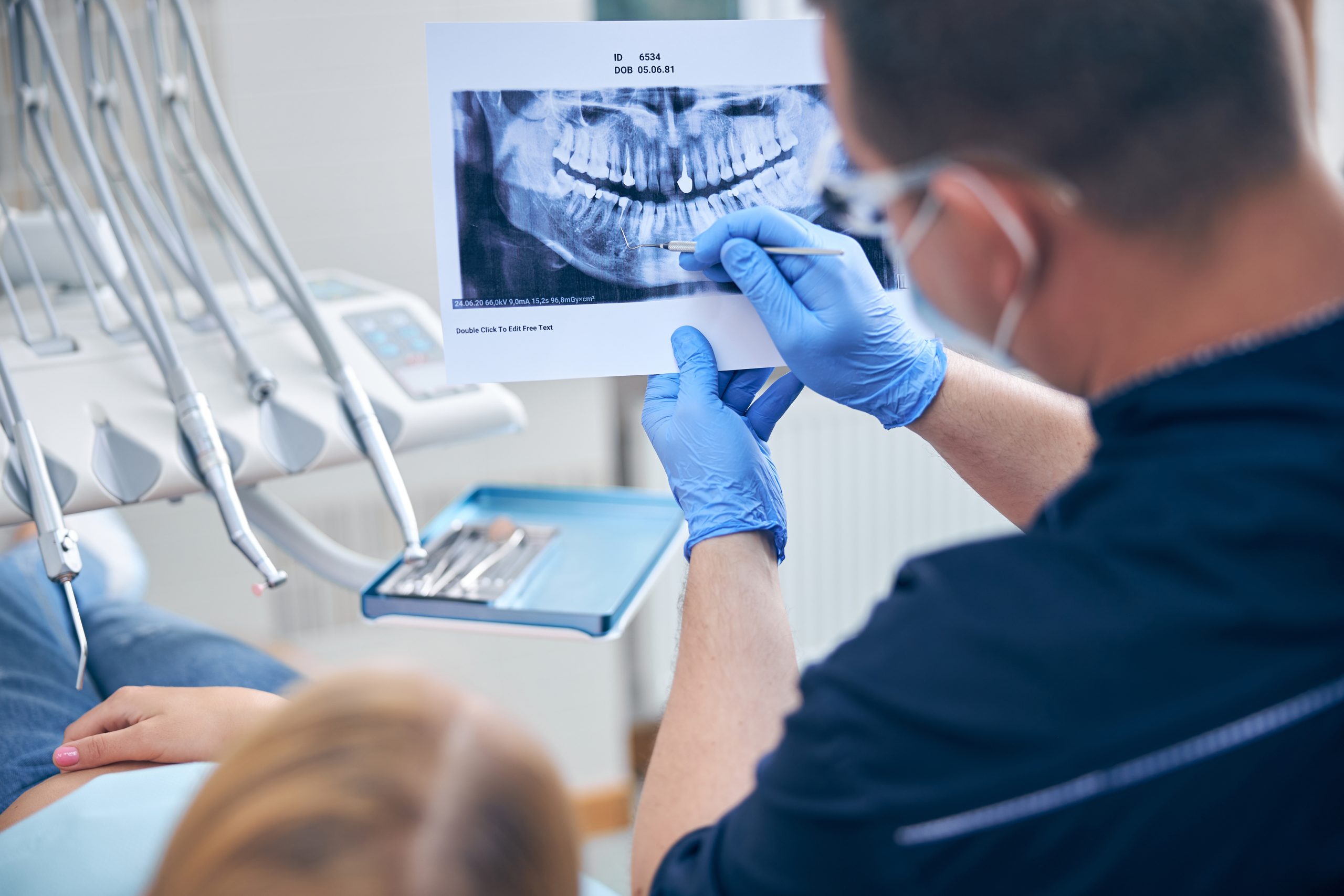
Endodontics is the dental specialty focused on diagnosing and treating disease and injury involving the pulp inside the tooth and the tissues surrounding the root.
Although root canal treatment is the procedure most people associate with endodontics, an endodontist also evaluates complicated dental pain, previously treated teeth, dental trauma, cracks and fractures, resorption (loss of tooth structure from within), and infections that can be difficult to diagnose.
The goal is to determine whether a tooth can be predictably preserved and, when it can, to treat the source of the disease while keeping the natural tooth.
Why See an Endodontist?
Endodontists complete advanced specialty training after dental school devoted specifically to the diagnosis and treatment of endodontic disease.
Because these procedures are the entire focus of Dr. Eid’s practice, he routinely manages both straightforward and complex endodontic problems.
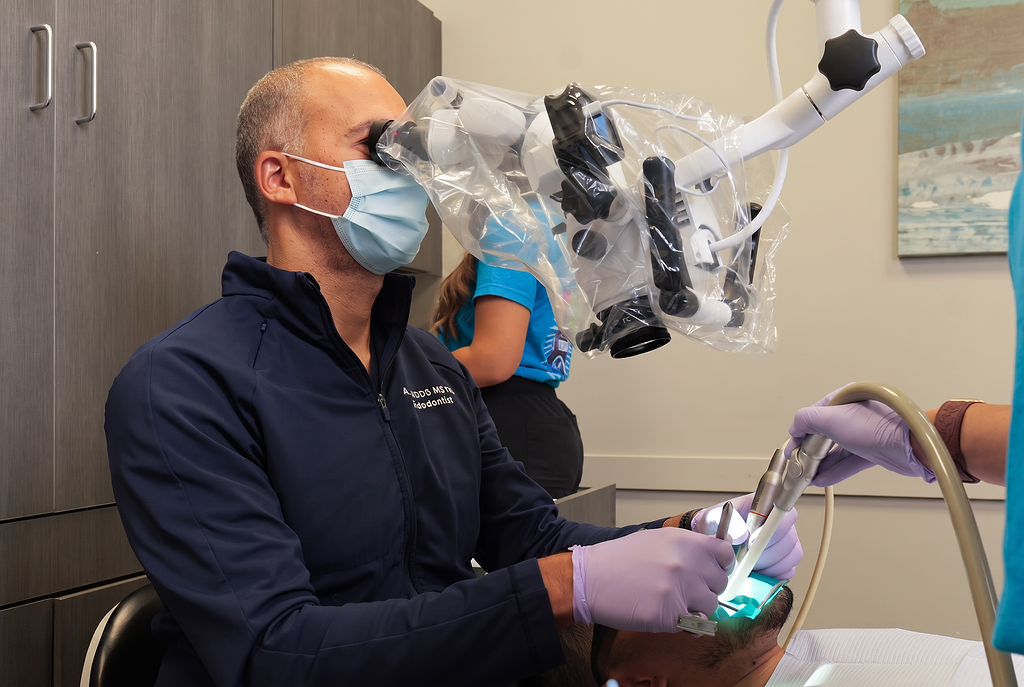
Dr. Eid uses a dental operating microscope for every endodontic procedure and three-dimensional CBCT imaging when it will add useful information.
Our Endodontic Services
Root Canal Treatment
A root canal treatment removes diseased pulp and infection from the inner canals of teeth stopping pain and infection while protecting the tooth from requiring extraction.
Root Canal Retreatment
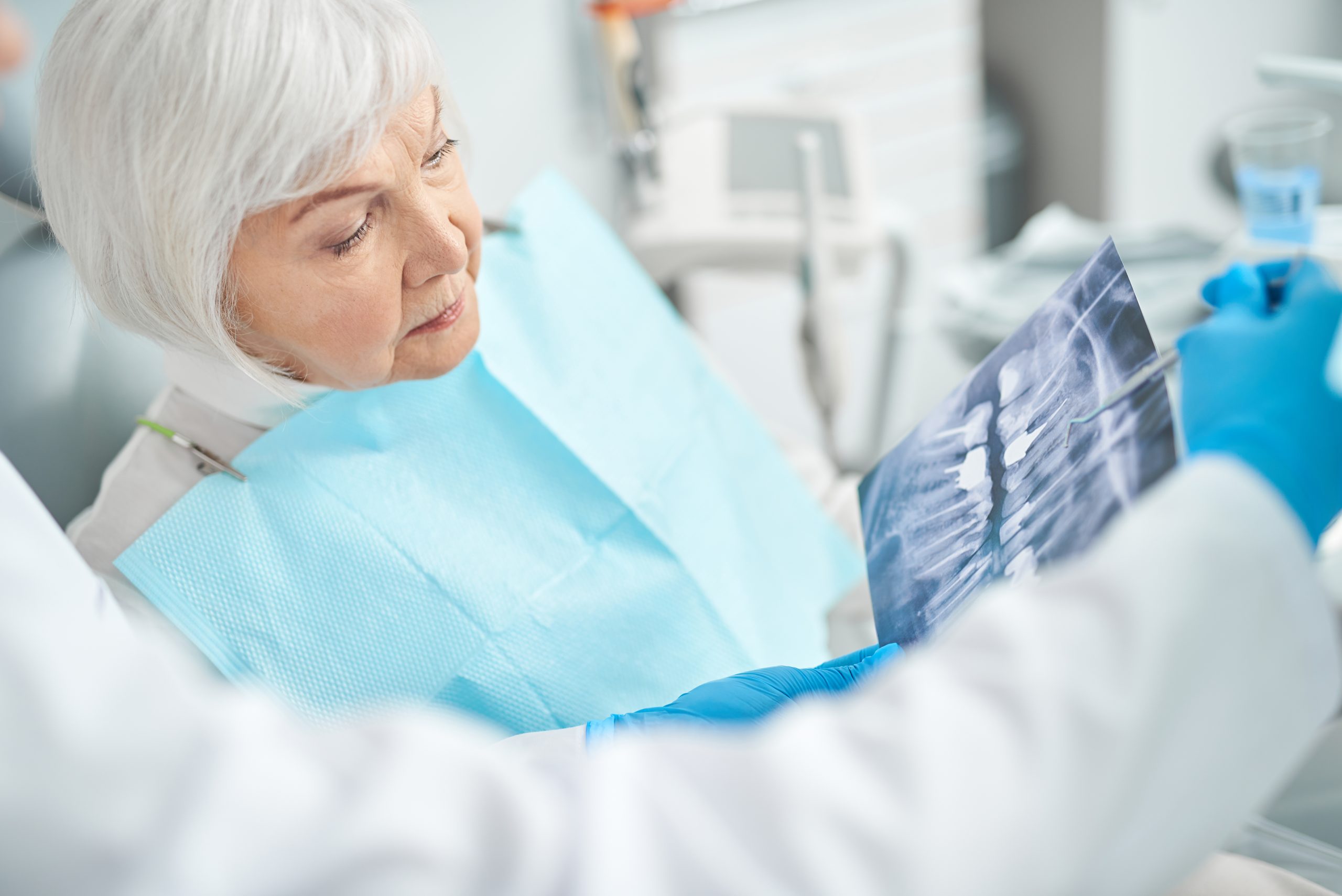
A tooth that has already had root canal treatment can sometimes develop lasting or returning disease. Retreatment involves reopening the tooth, evaluating the previous work, addressing infection or canals that were not treated before, and resealing the root canal system.
Endodontic Surgery
When disease persists around the end of a root despite previous root canal treatment, surgery may allow the tooth to be kept. The most common endodontic surgical procedure is an apicoectomy, also called root-end surgery. Dr. Eid performs endodontic surgery on both front and back teeth.
Cracked-Tooth Evaluation
Cracks affect teeth differently depending on their location, depth, and extent. Some cracked teeth can be kept with endodontic treatment and the right restoration. Others have fractures that make predictable treatment impossible. Dr. Eid uses examination, magnification, and imaging to help determine whether a cracked tooth can reasonably be saved.
Vital Pulp Therapy
In selected teeth, treatment can preserve healthy or recoverable pulp tissue rather than removing all of it. Vital pulp therapy may be considered when the condition of the tooth, its stage of development, and the extent of the injury make keeping the remaining living tissue the better choice.
Regenerative Endodontics and Apexification
Teeth whose roots have not finished forming need specialized treatment when the pulp becomes damaged or infected. Depending on the situation, treatment may include regenerative endodontic procedures or apexification. Both approaches manage the infection and create conditions that support continued root development or the formation of a barrier at the root tip.
Internal Resorption
Internal resorption is a process in which tooth structure is lost from inside the root canal system. Treatment depends on where the defect is, how large it is, and whether the tooth can still be predictably restored. Endodontic treatment may be able to stop the process and preserve the tooth.
Perforation Repair
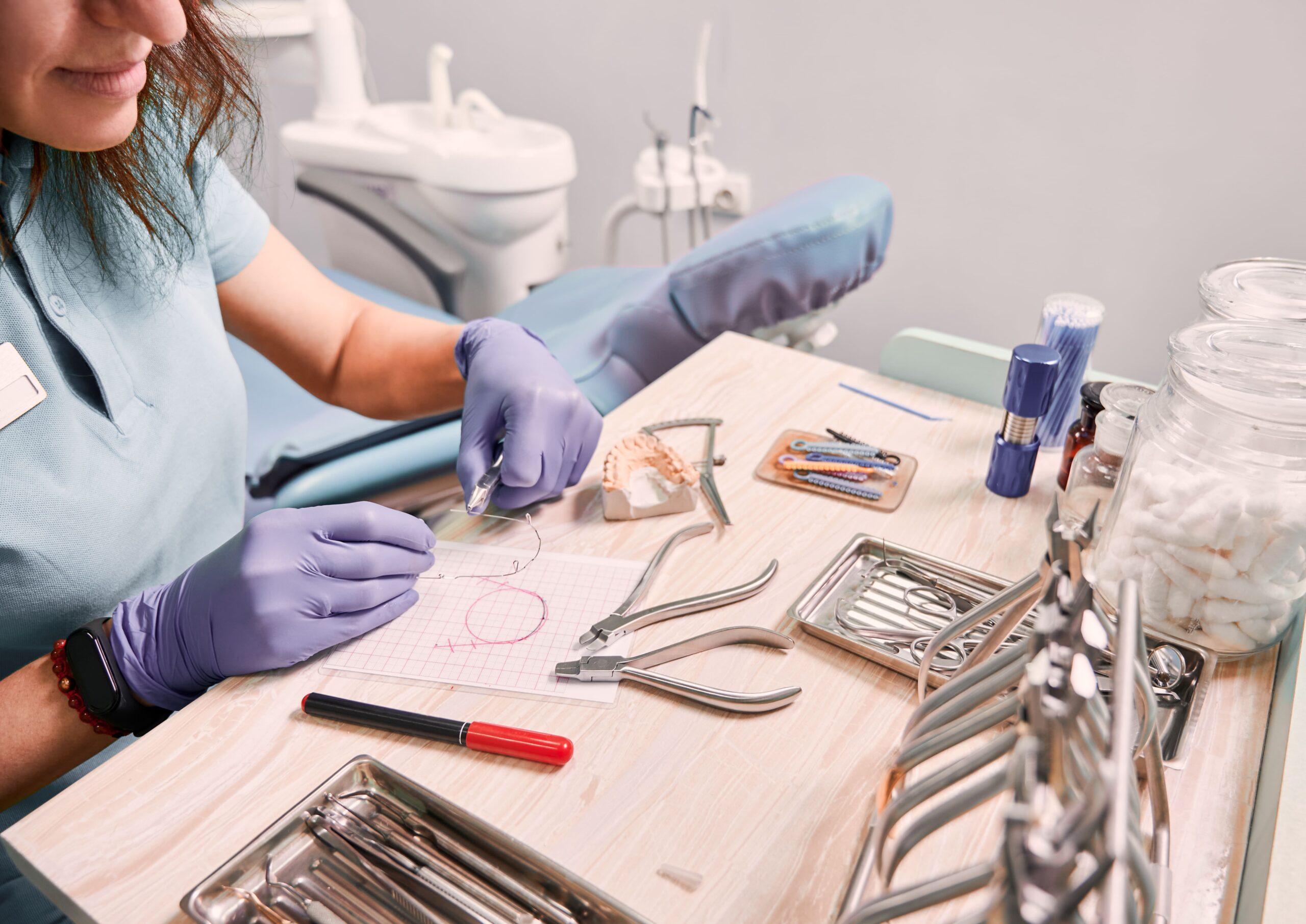
A perforation is an abnormal communication between the root canal system and the surrounding tissues. Depending on its location, size, cause, and how long it has been present, a perforation can sometimes be repaired using specialized endodontic techniques and materials.
Intentional Replantation
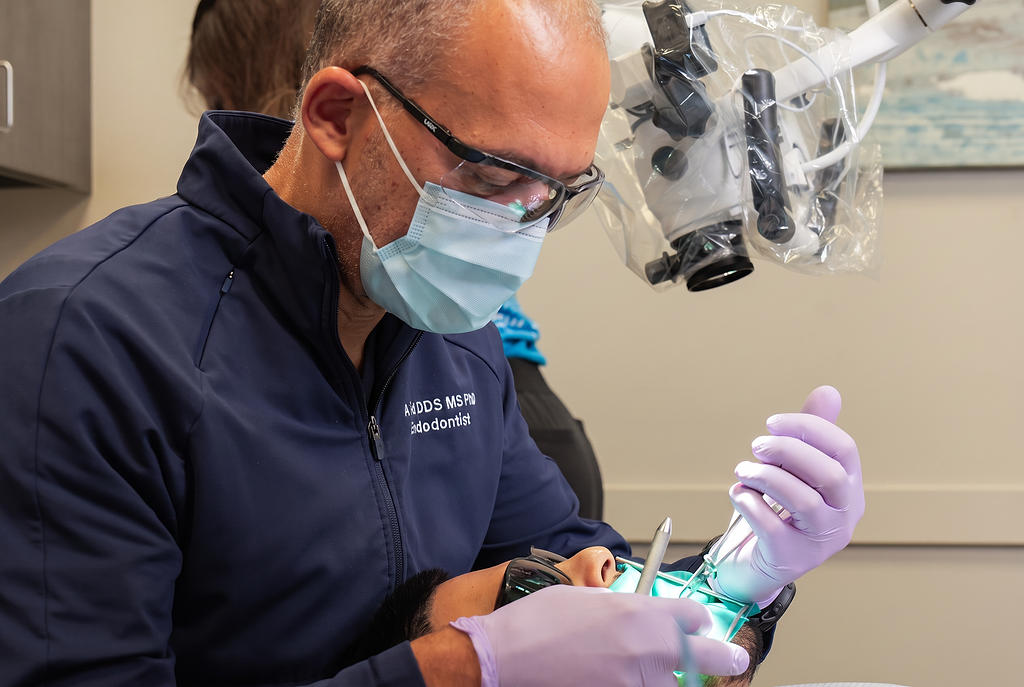
In selected cases, intentional replantation may be considered when a tooth cannot be predictably treated through conventional root canal treatment, retreatment, or surgery. The tooth is carefully removed, treated outside the mouth, and placed back into its socket. This approach is reserved for carefully chosen situations where it may offer a chance to keep the natural tooth.

Dental Trauma Treatment
Injuries can affect the pulp and the tissues surrounding the roots. Dr. Eid evaluates and manages the endodontic consequences of dental trauma, including pulp injury, loss of vitality, root development concerns, and infection that can develop after an injury.

Evaluation of Dental Pain
Not every painful tooth needs a root canal. Dental pain can come from the pulp, the gums and supporting bone, a crack, a bite problem, pain referred from elsewhere, or another cause. Dr. Eid performs a focused diagnostic evaluation to help identify the source of symptoms and whether endodontic treatment is likely to help. When a tooth can be treated predictably, keeping the natural tooth may be recommended.
When it cannot be predictably restored or maintained, Dr. Eid helps the patient understand the next step.
Dental Operating Microscope
Endodontic treatment involves anatomy that can be extremely small and hard to see.
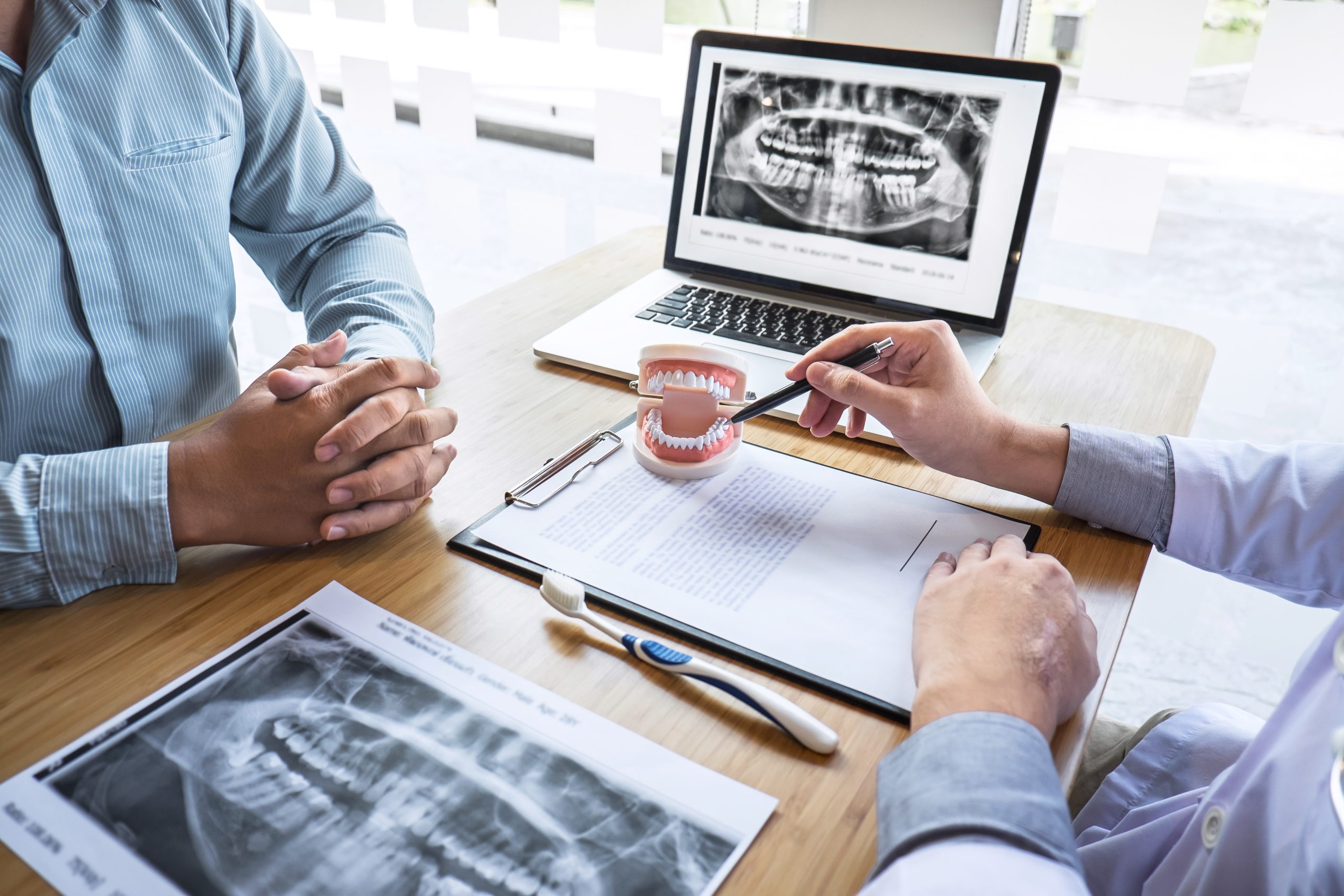
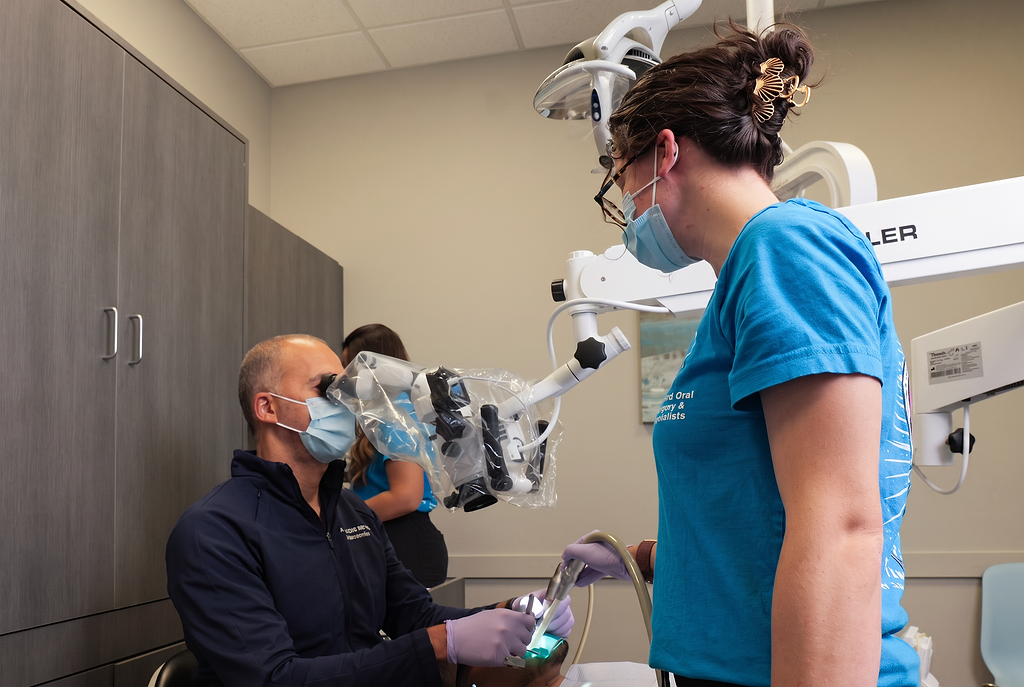
Dr. Eid uses a dental operating microscope for every endodontic procedure. The microscope provides high magnification and strong lighting, allowing detailed views of the tooth and root canal system throughout treatment.
This is particularly valuable when locating small or previously untreated canals, managing complex anatomy, evaluating cracks, performing retreatment, repairing perforations, and completing endodontic surgery.
Three-Dimensional CBCT Imaging
Some endodontic problems cannot be fully evaluated with traditional flat dental X-rays.
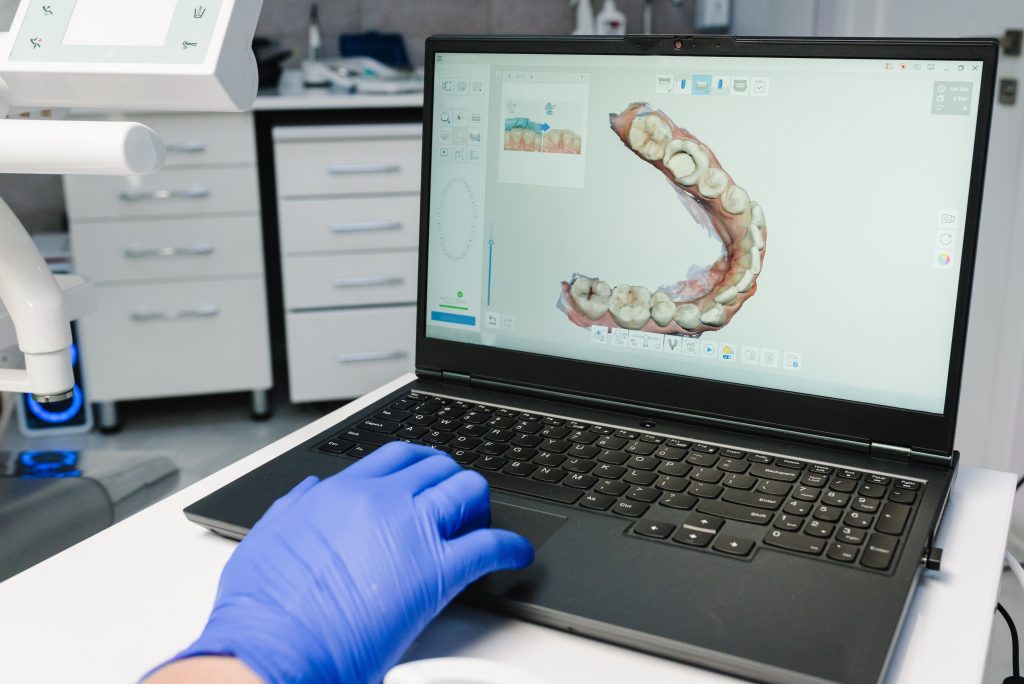
When it will help, Dr. Eid uses cone-beam computed tomography, or CBCT, to obtain a three-dimensional view of the tooth, roots, surrounding bone, and nearby structures.
CBCT imaging may assist in evaluating:
- Complex or unusual root canal anatomy
- Previously treated teeth with lasting symptoms or infection
- Canals that were missed or not treated
- Root resorption
- Cracks or fractures
- Perforations
- Areas of infection or bone loss around the roots
- Surgical treatment planning
- Dental trauma
CBCT imaging can provide information that changes the diagnosis, the outlook for the tooth, or the recommended treatment.
It is not needed for every patient or every procedure. Dr. Eid recommends three-dimensional imaging when the additional information is expected to meaningfully help.
Endodontic Care for Permanent Teeth at Any Age
Dr. Eid treats permanent teeth in patients of all ages.
In younger patients, treatment decisions take into account whether the root is still developing. Procedures such as vital pulp therapy, regenerative endodontics, or apexification may be used to preserve the tooth and support continued development or long-term function.
Comfort Options
Most endodontic procedures are performed with local anesthesia. Dr. Eid also offers nitrous oxide and oral sedation for selected patients. If IV sedation is needed for endodontic treatment, care may be coordinated with a qualified anesthesia provider.
Your First Visit
Your first visit generally includes a review of your symptoms, your medical and dental history, an examination, and dental imaging. Dr. Eid will review his findings with you and discuss whether treatment, monitoring, additional evaluation, or another type of dental care is recommended. For most patients, the consultation and the treatment are scheduled separately so there is enough time for planning, scheduling, and review of financial and insurance information. Urgent treatment can sometimes be provided at the first visit.
Coordinated Specialty Care
Sometimes the most important question is not how to treat a tooth, but whether it should be treated at all. Dr. Eid works closely with each patient’s general dentist and, when helpful, with the other specialists at Stafford Oral Surgery & Specialists. For example, a tooth being considered for extraction may first benefit from endodontic evaluation to see whether it can be saved. Disease inside the tooth and disease in the surrounding gum and bone can overlap, calling for collaboration with Dr. Kanasi to identify the source of infection. If a tooth turns out to be unrestorable and needs to come out, that care can be arranged within the practice.
Frequently Asked Questions
Many patients are referred by their general dentist, but a referral is not always required. Insurance requirements vary.
Patients with tooth pain, sensitivity, swelling, or concerns about a previously treated tooth are welcome to contact our office for guidance about scheduling an evaluation.
Root canal treatment is performed with local anesthesia to keep the tooth and surrounding area numb during the procedure.
Patients often seek treatment because the tooth is already painful or inflamed. Some tenderness afterward can occur, but the purpose of treatment is to address the source of the pain or infection.
No. Whether a tooth can be kept depends on how much tooth structure remains, whether there is a crack or fracture, the gum and bone support, the root anatomy, previous treatment, and whether the tooth can be restored afterward.
One of the benefits of an endodontic evaluation is finding out whether treatment offers a reasonable outlook before you commit to it.
A final restoration is commonly needed after root canal treatment, particularly for back teeth.
The right type depends on the tooth, the amount of remaining tooth structure, and other restorative considerations. Your general or restorative dentist will decide whether a crown or another restoration is recommended and will perform that treatment. Dr. Eid will communicate with your dentist as needed.
Patients treated with local anesthesia alone can generally drive themselves home.
A responsible adult driver is required when oral sedation or IV sedation is used. Our team will review transportation requirements with you before treatment.