
Peri-Implantitis Treatment
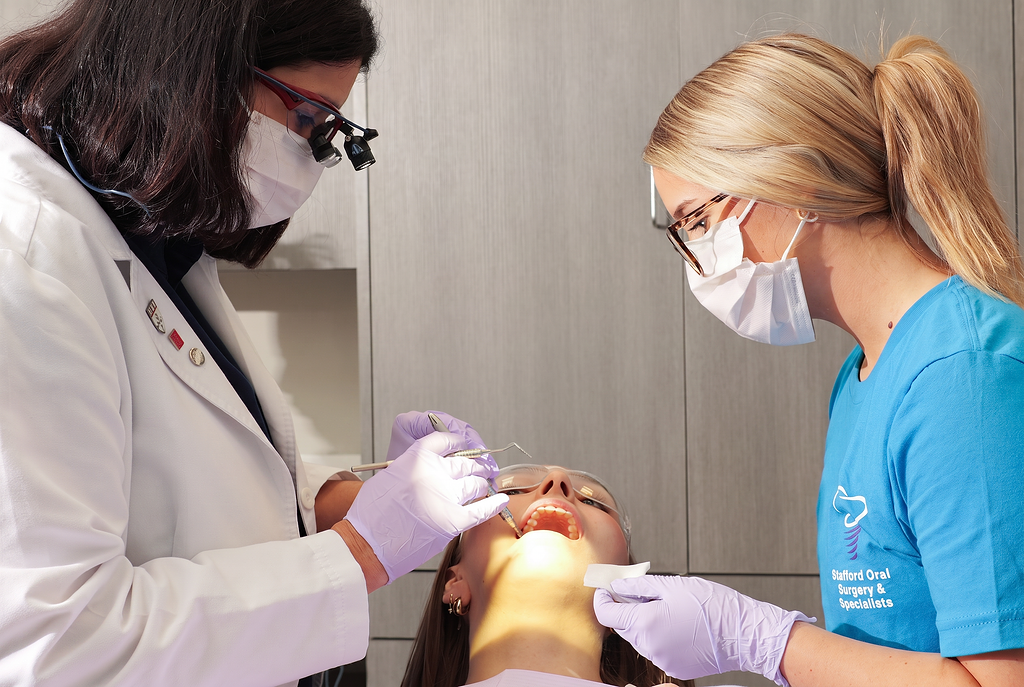
Peri-implantitis is rare, but if it occurs, our expert oral surgical team at Stafford Oral Surgery & Specialists offers treatment options to stop disease and save the dental implant.
What Causes Peri-Implantitis?
Peri-implantitis can occur for a variety of reasons. In some cases, the elements from the dental implant can become an irritant that leads to an infection or bone loss. Screws or cement that hold the crown in place can go beneath the gumline and irritate the surgical site. There are also patient factors that can put them at higher risk for peri-implantitis including smoking, diabetes, osteoporosis, weak immune system, and gum disease.
What Are the Symptoms of Peri-Implantitis?
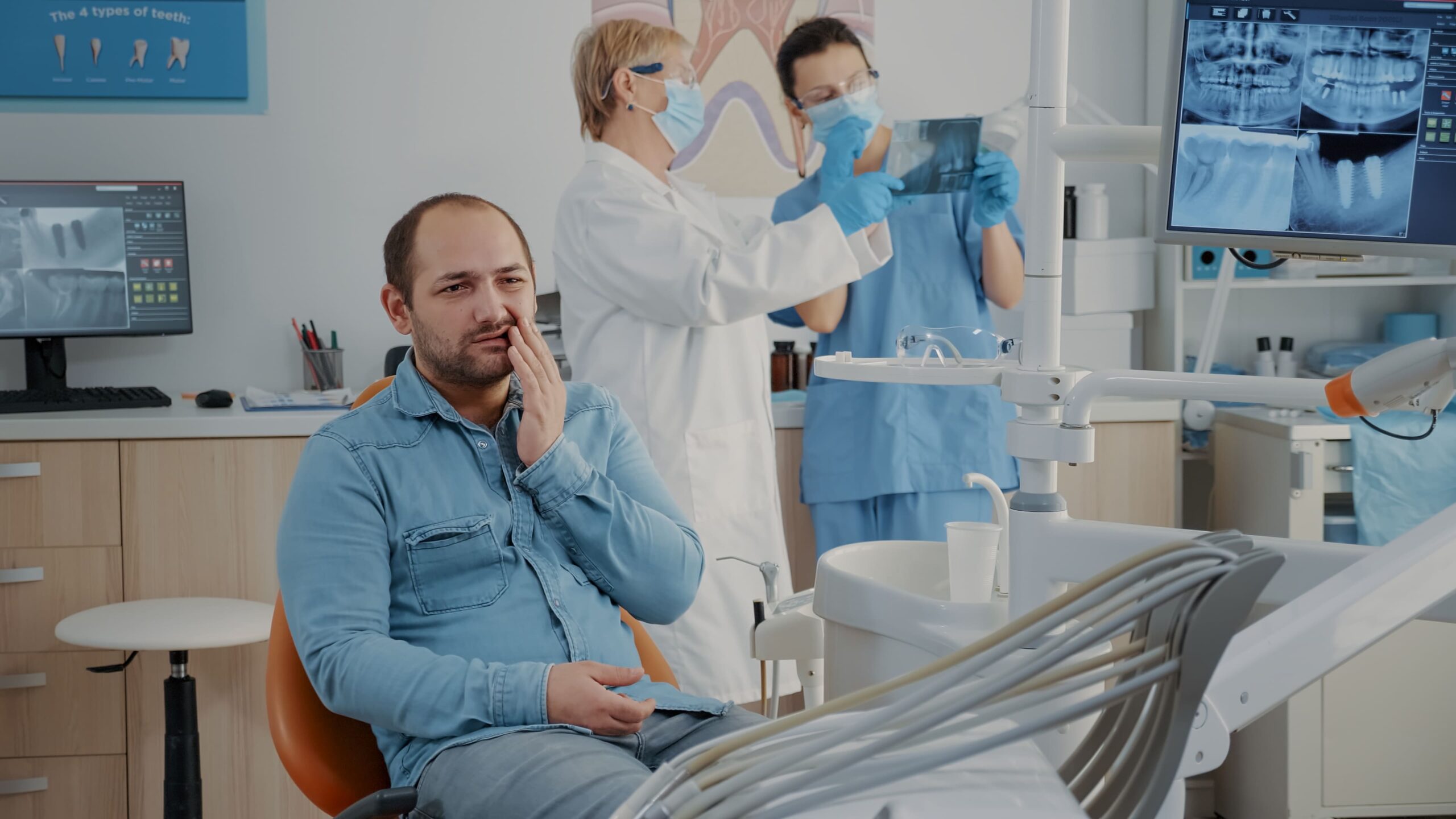
In most cases, there are few symptoms when peri-implantitis begins. There is rarely any pain, but some patients do report tenderness or an ache around their implant. Receding gums, lengthened tooth, bleeding, pus or redness around the implant are possible symptoms and signs of this disease.
Saving Dental Implants Affected by Peri-Implantitis
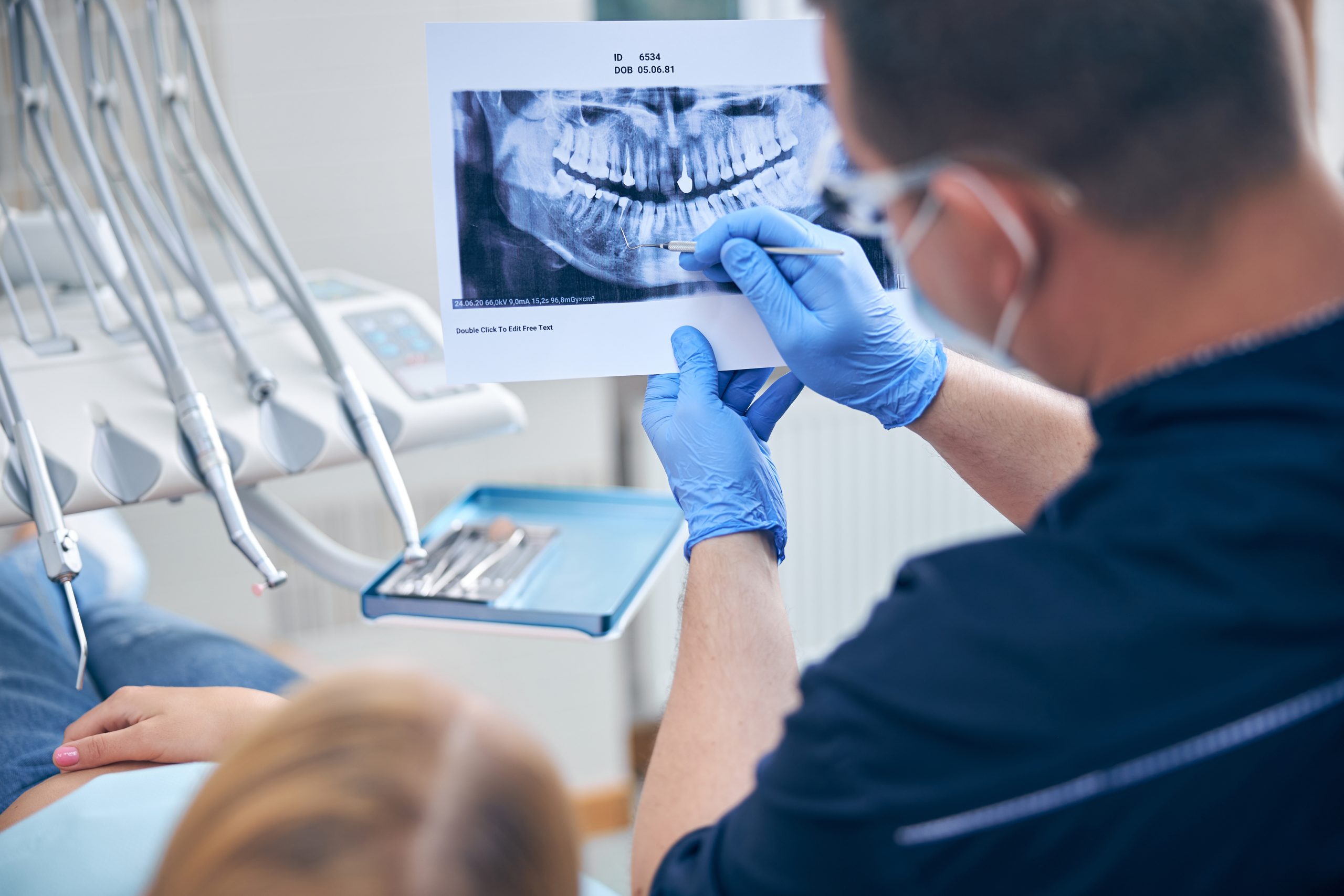
The biggest concern for most patients that are diagnosed with peri-implantitis is losing their dental implant. To stop the bone loss and save the implant, the infection must be stopped and the bone replaced. The area around the implant must be carefully disinfected and any irritants removed, such as excess cement or hardware that has slipped below the gumline. Once the area is clean, a bone graft can be put in place around the implant.
Schedule an Appointment
Our dedicated surgeons and friendly, professional team are here to support your journey toward oral health. If you’re looking for excellent medical care in a comfortable relaxing atmosphere, book your appointment with Stafford Oral Surgery & Specialists.