
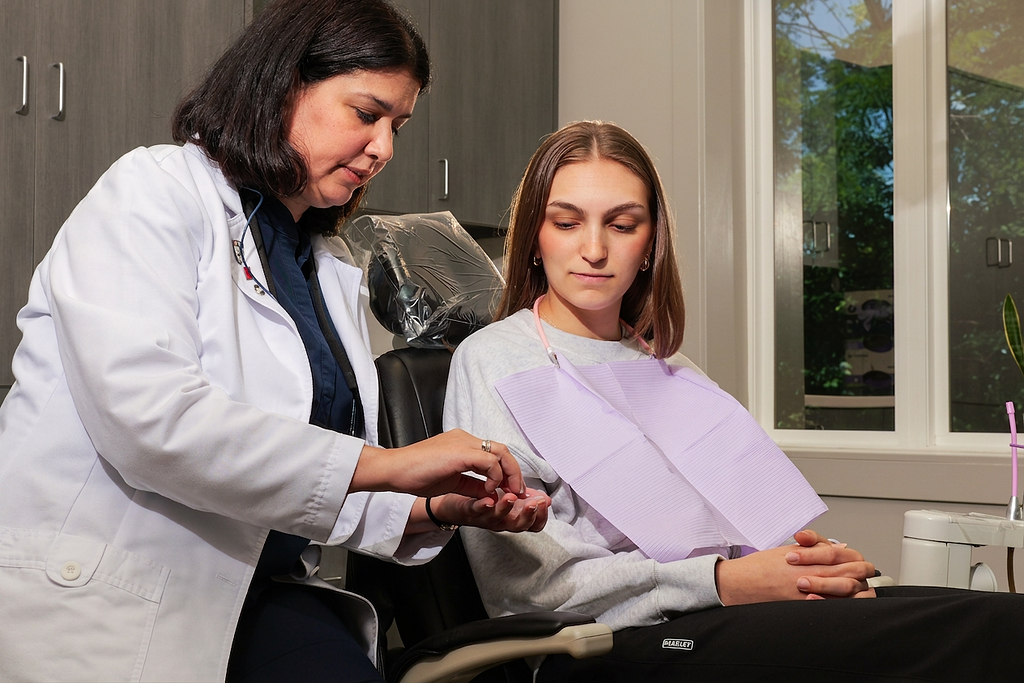
Comprehensive Care from Gingivitis Through Periodontitis
Periodontal disease affects the gums, bone, and other tissues that support the teeth. It ranges from gingivitis — an early and often reversible form of gum inflammation — to periodontitis, a chronic inflammatory disease that gradually destroys the bone holding the teeth in place and, if untreated, can lead to tooth loss.
Dr. Eleni Kanasi provides comprehensive evaluation and treatment focused on controlling inflammation, preserving natural teeth, and establishing a long-term plan for gum health.
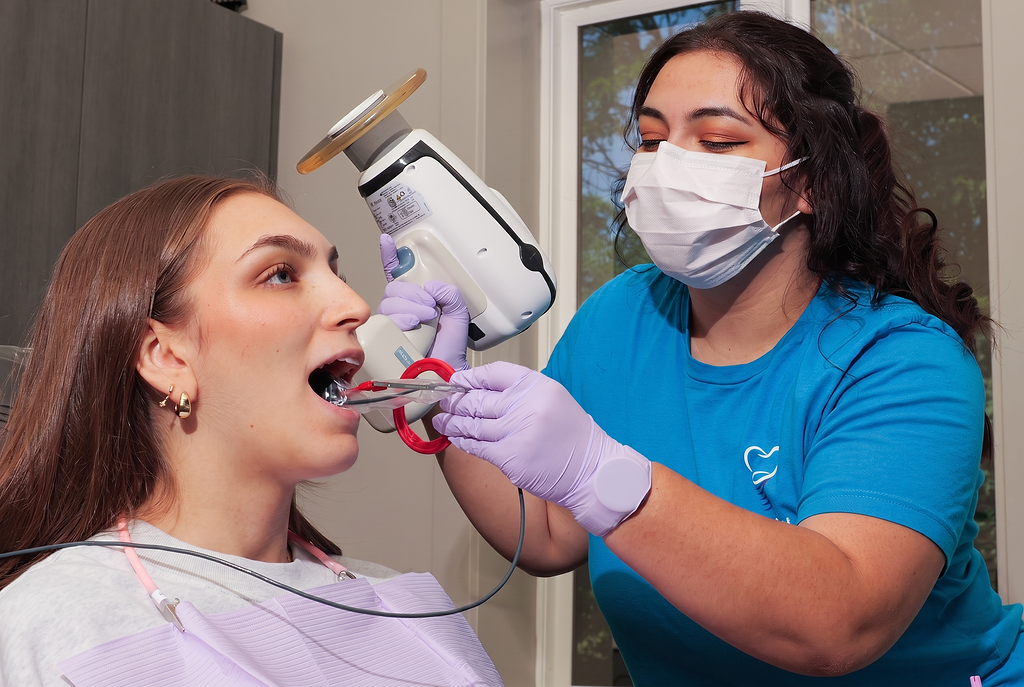
Signs of Periodontal Disease
Gum disease can progress with surprisingly little discomfort. An evaluation may be worthwhile if you have:
- Bleeding gums
- Red, swollen, or tender gums
- Gum recession, or teeth that appear longer than they used to
- Persistent bad breath or an unpleasant taste
- Loose or shifting teeth
- Changes in the way your teeth fit together
- Bone loss seen on dental imaging
- A history of gum disease, or risk factors such as diabetes or tobacco use
Step 1: Controlling Inflammation
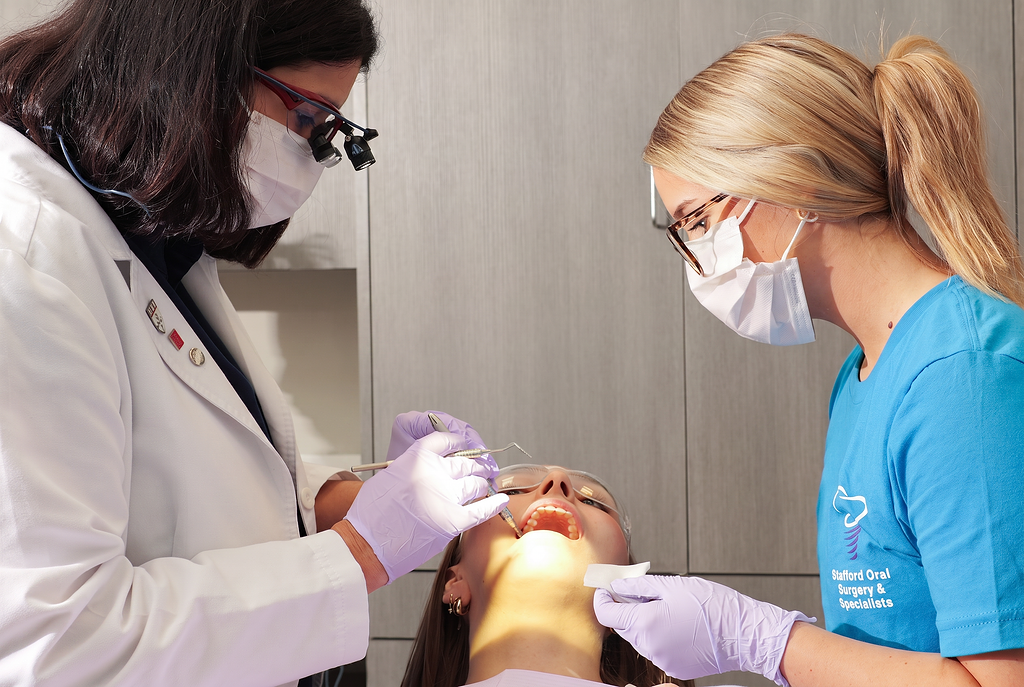
For many patients with periodontitis, the first phase of treatment is nonsurgical therapy, commonly including scaling and root planing — a thorough cleaning below the gumline that removes plaque, hardened deposits, and bacteria from the root surfaces so the tissues can heal. Home care, addressing risk factors such as smoking, and coordination with your general dentist are also important parts of controlling inflammation.
Step 2: Re-evaluation
Periodontal treatment is a process rather than a single procedure. After the initial therapy, Dr. Kanasi re-evaluates healing, inflammation, pocket depths, home care, and any areas that remain difficult to keep clean. Many areas respond well to nonsurgical treatment. Areas with persistent deep pockets, uneven bone loss, or anatomy that prevents adequate cleaning may benefit from additional treatment.
Step 3: Surgical Treatment When Needed
When disease remains after nonsurgical therapy, periodontal surgery may be recommended to improve access for cleaning, reduce the depth of gum pockets, reshape uneven bone, or rebuild lost support in selected areas. Depending on the problem, treatment may include osseous surgery, periodontal regeneration, or another procedure suited to that specific site.
Periodontal Maintenance
After active treatment, ongoing periodontal maintenance is essential. Periodontitis is a chronic disease, and successful long-term management depends on regular professional care together with effective daily home care.
Periodontal maintenance is often shared between our office and your general dentist. Many patients alternate visits between Dr. Kanasi’s team and their general dental office, so both gum stability and routine dental needs are monitored over time.
The recommended interval is individualized based on the severity of your disease, your response to treatment, your medical risk factors, and how well the teeth can be maintained at home.
Periodontal Health and Overall Health
Gum disease is associated with several general health conditions, particularly diabetes, and the relationship runs in both directions. Association does not necessarily mean cause, but these relationships reinforce the importance of treating oral health as part of overall health.
Frequently Asked Questions
Gingivitis often resolves once inflammation and plaque are controlled. Periodontitis causes permanent loss of some supporting tissue, but the disease can usually be stabilized and managed with appropriate treatment and long-term maintenance.
No. Many patients respond well to nonsurgical treatment. Surgery is considered when persistent disease, pocket depth, bone anatomy, or other site-specific factors make additional treatment worthwhile.
Bleeding is a common sign of inflammation and usually improves as gum health improves. Bleeding that persists should be evaluated, because it may indicate ongoing inflammation or another local or medical factor.
Schedule a Periodontal Evaluation
If you have been diagnosed with gum disease or are experiencing bleeding, recession, loose teeth, or other concerns, contact Stafford Oral Surgery & Specialists to schedule an evaluation with Dr. Kanasi.