
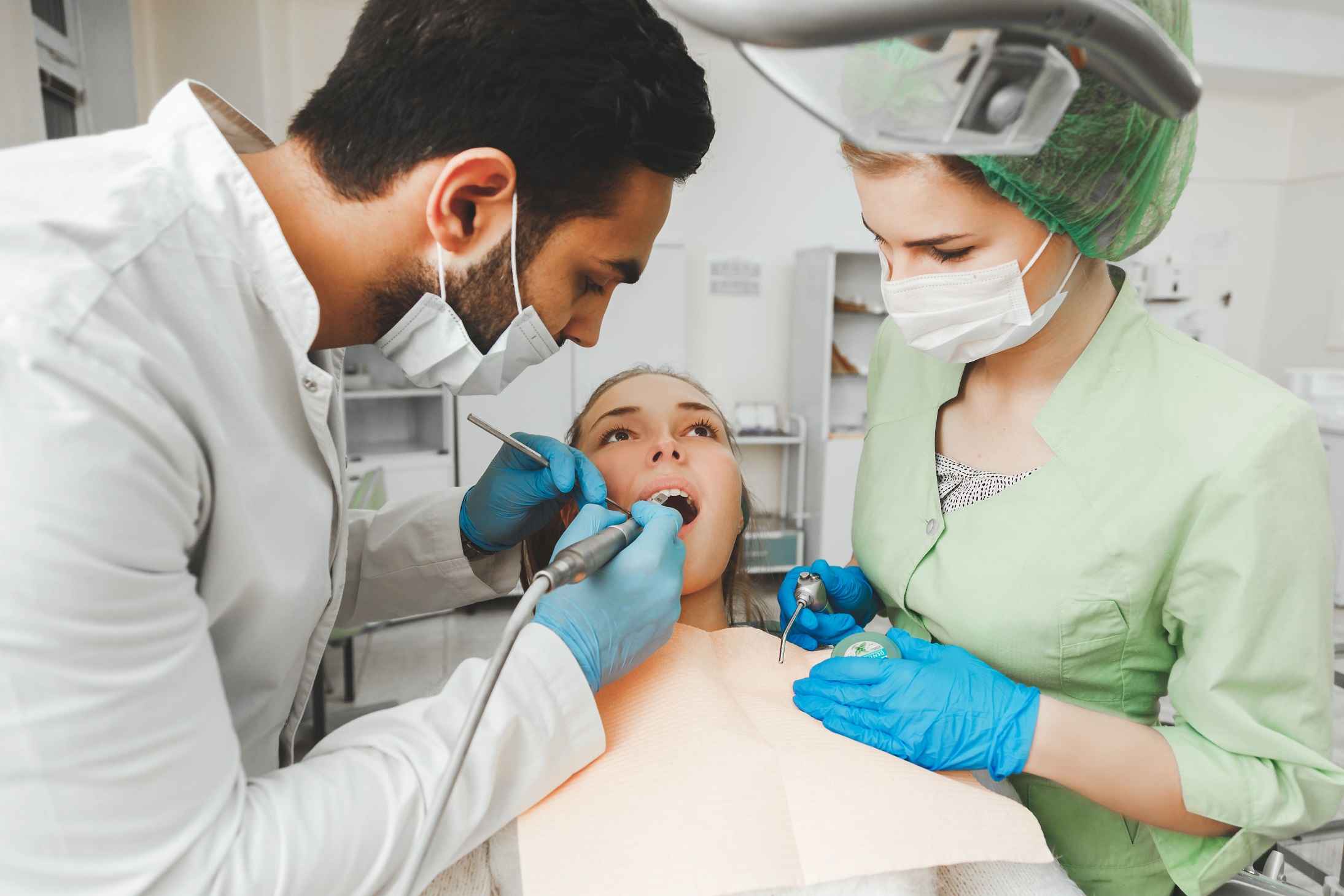
Evaluation, Treatment, and Recovery
Wisdom teeth, or third molars, are the last permanent teeth to develop. Some come in straight, function normally, and can be kept. Others remain partly or completely trapped beneath the gum or bone, come in at an unfavorable angle, or do not have enough space to function normally.
Dr. Johnson evaluates each patient individually and recommends removal when the expected benefits of treatment outweigh the risks of leaving the teeth in place.

Why Wisdom Teeth May Need to Be Removed
- Pain, swelling, or repeated inflammation
- Decay involving the wisdom tooth or the tooth in front of it
- Gum pockets or bone loss behind the tooth in front of it
- Infection around a partly erupted tooth
- Cysts or other changes in the surrounding bone
- Damage or risk to neighboring teeth
- Inadequate space or a poor outlook for coming in properly
Not every wisdom tooth needs to be removed. When a tooth is healthy, functional, and can be cleaned and monitored, leaving it in place may be the right choice.
Evaluation and Imaging
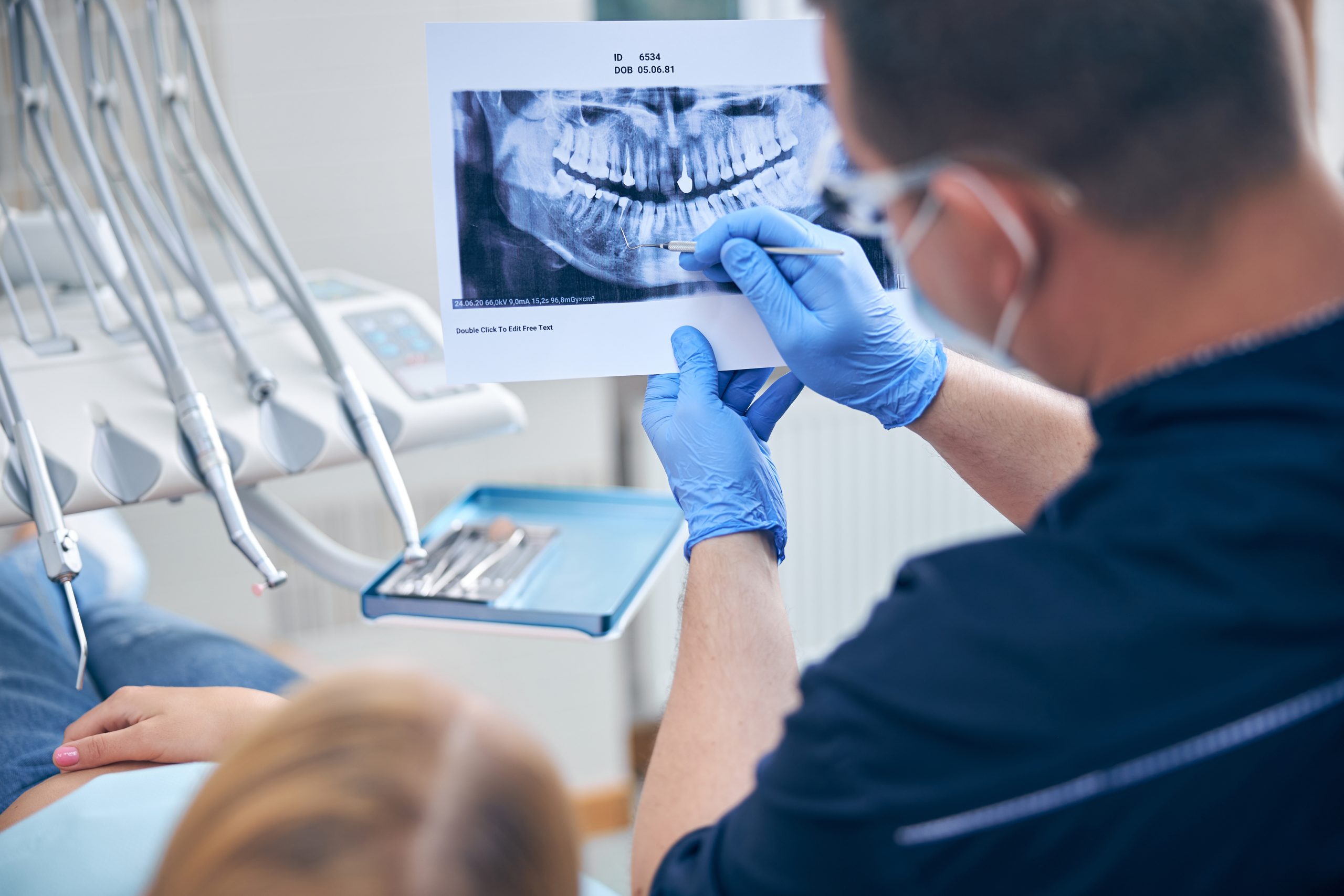
A panoramic X-ray — a single image that shows all the teeth and jaws at once — is commonly used to evaluate the position and development of wisdom teeth. CBCT imaging may be recommended when a three-dimensional view would meaningfully affect the diagnosis or the treatment plan, particularly when the relationship between a lower wisdom tooth and the nerve in the lower jaw needs closer assessment.
Lower Wisdom Teeth Near the Nerve
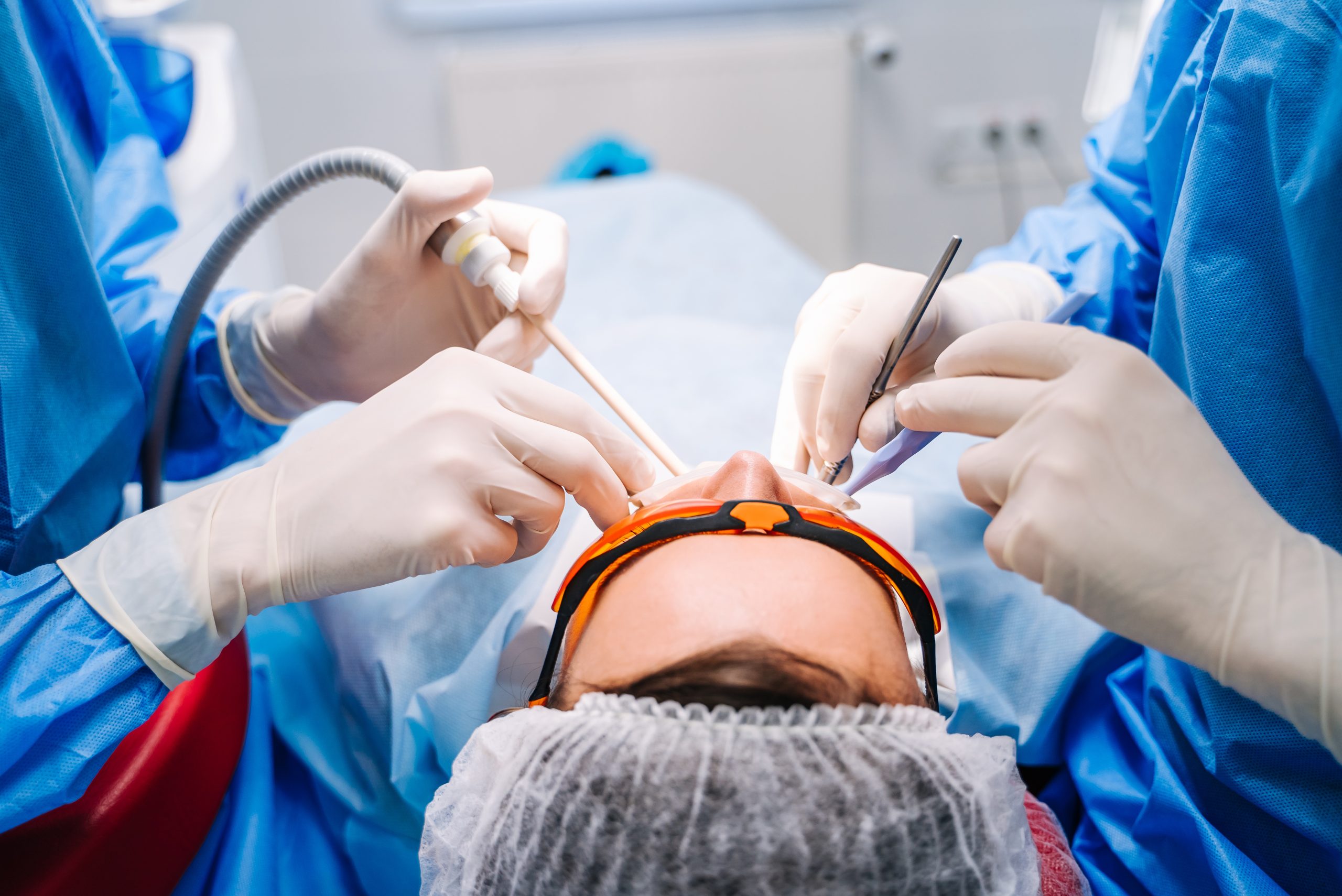
The roots of lower wisdom teeth can lie close to the inferior alveolar nerve, which provides feeling to the lower lip and chin. When imaging suggests a close relationship, Dr. Johnson will discuss the expected risks and the treatment options. In selected patients, a coronectomy may be considered instead of complete removal. During a coronectomy, the crown of the tooth is removed while the roots are intentionally left in place, which reduces work near the nerve.
Anesthesia for Wisdom Tooth Surgery
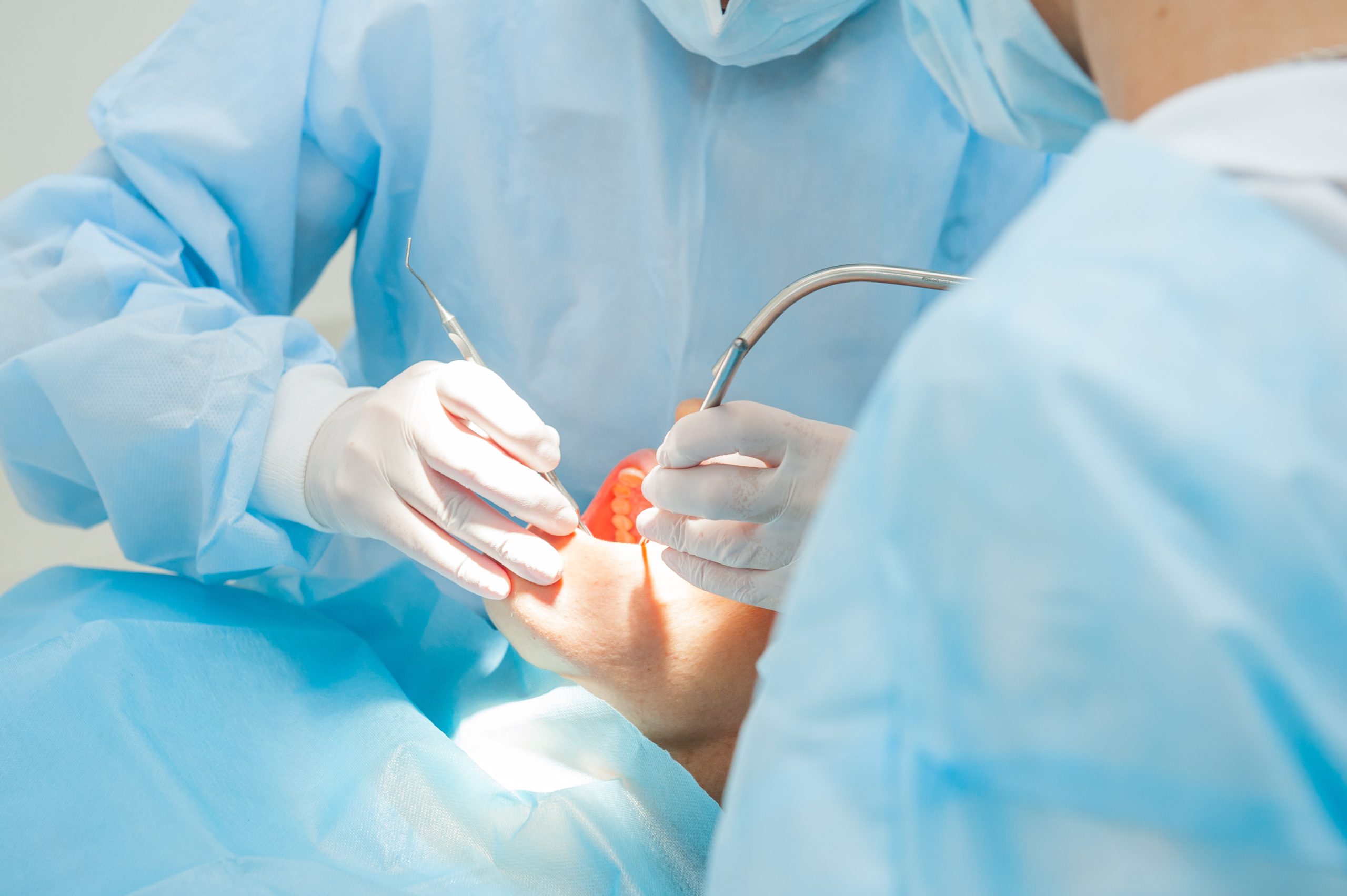
The right anesthesia plan depends on the position of the wisdom teeth, the expected complexity and length of surgery, your medical history, and your individual safety.
Dr. Johnson will review the recommended approach with you during your consultation. The goal is to allow treatment to be completed safely and comfortably.
What to Expect After Surgery
1
Swelling, soreness, jaw stiffness, bruising, and mild bleeding are common after wisdom tooth removal. Swelling often increases during the first two to three days and then gradually improves.
2
The first four to five days are typically the most demanding part of recovery. Many patients begin returning to normal daily activities during this period, although soreness, swelling, a limited diet, and reduced energy may continue.
3
Patients should avoid heavy lifting, strenuous exercise, and other vigorous physical activity for about one week unless Dr. Johnson gives different instructions.
4
Recovery varies depending on the number and position of the teeth, the complexity of surgery, general health, and individual healing.
Potential Risks
Potential risks include bleeding, pain, infection, swelling, bruising, jaw stiffness, dry socket, delayed healing, damage to nearby teeth or dental work, sinus complications involving upper wisdom teeth, and altered sensation involving the tongue, lower lip, chin, or taste. Dr. Johnson will review the risks most relevant to your individual case before surgery.

Schedule a Consultation
A consultation allows Dr. Johnson to evaluate your wisdom teeth, review imaging, and discuss whether removal, monitoring, or another approach such as coronectomy is right for you.