
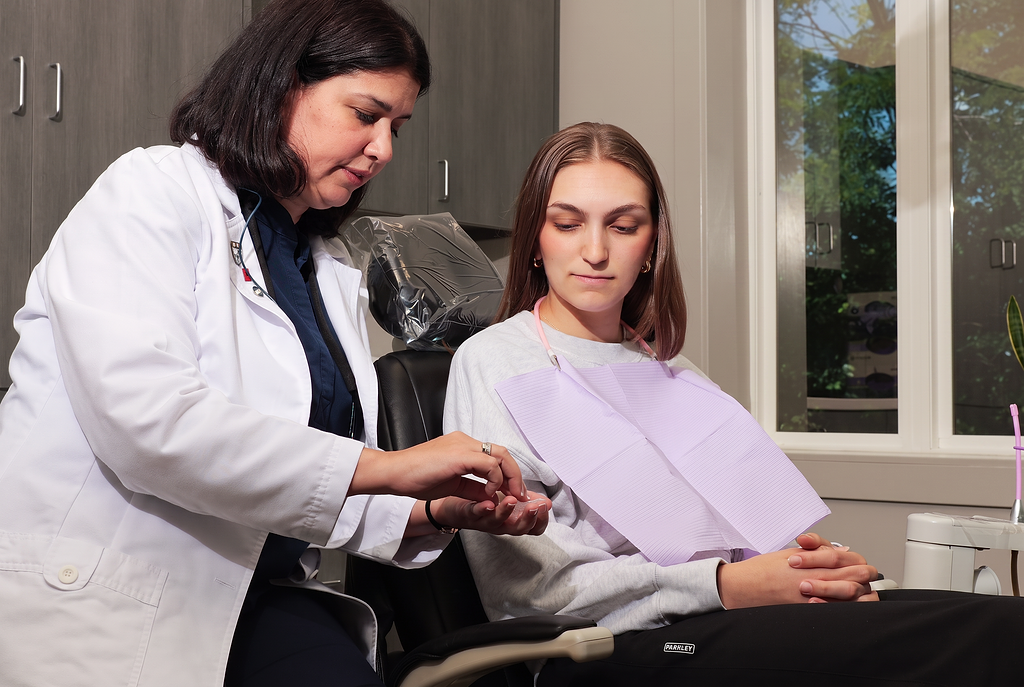
Osseous Surgery
Osseous surgery can stop the spread of infection, make it easier to maintain oral care at home and prevent further bone loss due to gum disease.
What is Osseous Surgery?
Gum tissue protects the roots of the teeth and should create a seal around each tooth. When the gums become infected or irritated, they can pull away from the roots of the teeth, creating pockets around the roots of the teeth. These pockets allow bacteria to flourish under the gumline, which can become an advanced form of gum disease, leading to bone loss, tooth loss and other health risks. Osseous surgery is used to combat gum disease and infection that has progressed below the gumline. Stafford Oral Surgery offers osseous surgery for pocket elimination to help protect oral health and restore healthy gum tissue.
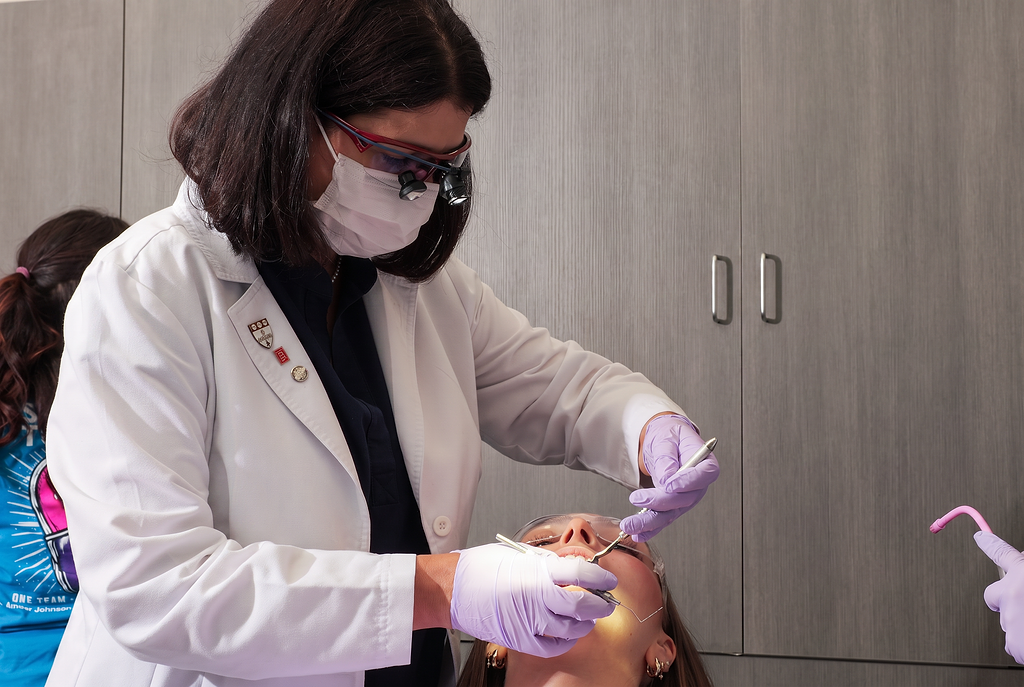
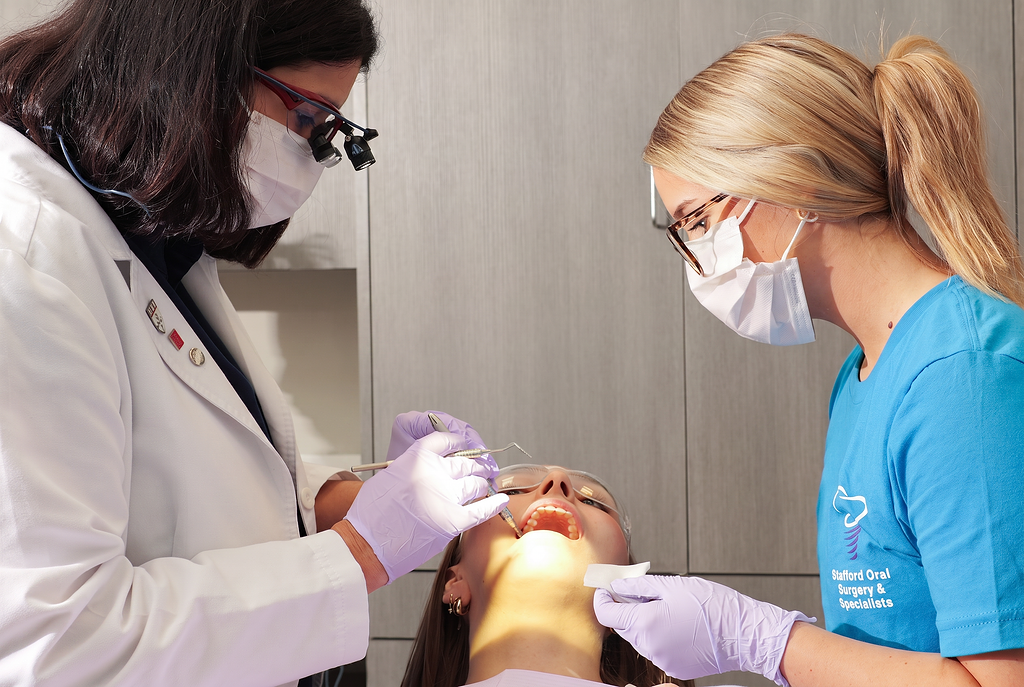
How Osseous Surgery Reduces Gum Pockets
Once deep pockets form around the teeth, it is nearly impossible to remove food debris and bacteria with home care and to stop the spread of infection, bone loss and changes to the oral tissues. Changes occur to the bone structure that cause the gum tissue to continue to recede.
To restore the connection between the gums and tooth roots, the infection must be stopped and the bone beneath the gumline smoothed. This surgery uses incisions along the gumline to access the tissue underneath. The area is disinfected to kill bacteria and the diseased gum material is removed. The bones are shaped and smoothed to allow for normal gum formation around the teeth with pockets for bacteria to hide. When completed, the gum tissue is stitched in place and allowed to heal.
What to Expect
1
Your surgeon will discuss the procedure and tell you what to expect.
2
Wear loose, comfortable clothing with short sleeves or sleeves that can be rolled up.
3
Check with your surgeon if you can eat or drink anything in the hours before your surgery.
4
Arrange for someone to accompany you on the day of surgery.
Frequently Asked Questions
Gingivitis does have symptoms, but they can often be subtle. It may start with gums that look red or puffy; they may bleed easily when brushing or flossing your teeth. Some people experience tenderness or notice that their gums are pulling back from the teeth, changing the appearance of their smile. However, gingivitis can be present without any discomfort, which is why it is so dangerous. Regular cleanings and checkups can help identify the early stages of gingivitis so you can begin treatment. When caught early, many people can experience a reversal of gum tissue damage, protecting their health and their smile.
Gum disease comes in various levels of severity, starting with gingivitis. While not as serious as periodontitis, gingivitis should not be ignored. This infection of the gum tissue can cause red, swollen gums that can be tender and change the appearance of your smile. Plus, if left untreated, gingivitis may evolve into periodontitis, which can lead to bone and tissue loss around the teeth and result in lost teeth. Our team at Stafford Oral Surgery offers treatment for gum disease and gingivitis to restore oral and overall health.
Yes. Osseous surgery can stop the spread of infection, make it easier to maintain oral care at home and prevent further bone loss due to gum disease.
Schedule an Appointment
Our dedicated surgeons and friendly, professional team are here to support your journey toward oral health. If you’re looking for excellent medical care in a comfortable relaxing atmosphere, book your appointment with Stafford Oral Surgery & Specialists.