
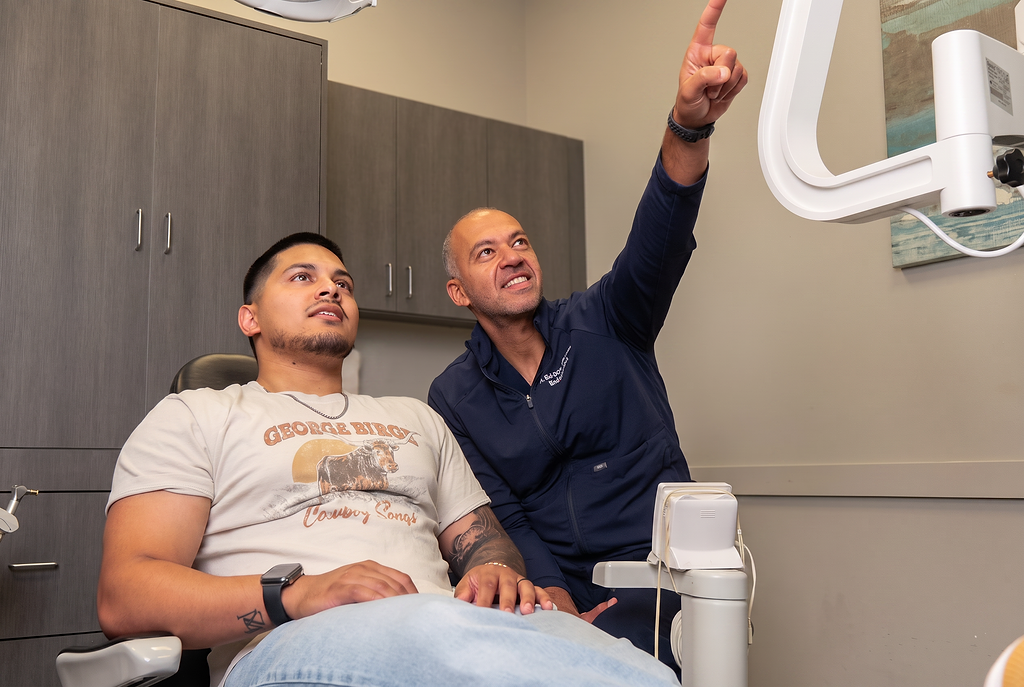
A Second Opportunity to Preserve a Previously Treated Tooth
A tooth that has already had root canal treatment can sometimes develop a lasting or returning infection, or another problem, months or even years later. This does not automatically mean the tooth needs to come out. Root canal retreatment allows Dr. Ashraf Eid to re-examine the inside of a previously treated tooth and determine whether additional endodontic treatment offers a chance to keep it.

Why Might a Root Canal Need Retreatment?
A previously treated tooth can develop problems for several reasons. Examples include:
- Complex anatomy that was difficult to find or treat during the original procedure
- A canal that was not treated previously
- Lasting or returning infection
- New decay that allows bacteria to reach the root canal system
- Leakage around a filling, crown, or other restoration
- A new crack or fracture
- Other changes affecting the tooth after the original treatment
Symptoms may include pain, tenderness, swelling, drainage, or a finding on an X-ray around the root. Some teeth needing evaluation have few or no symptoms.
Evaluating a Previously Treated Tooth
Before recommending retreatment, Dr. Eid evaluates whether the tooth can reasonably be kept.
This may include an examination, dental X-rays, a review of the existing restoration and the previous treatment, and consideration of the tooth’s gum support and restorability.
Three-dimensional CBCT imaging can be particularly valuable in retreatment cases because it provides additional information about root anatomy, previously treated canals, areas of bone loss or infection, resorption, and other findings that may not be visible on flat X-rays.
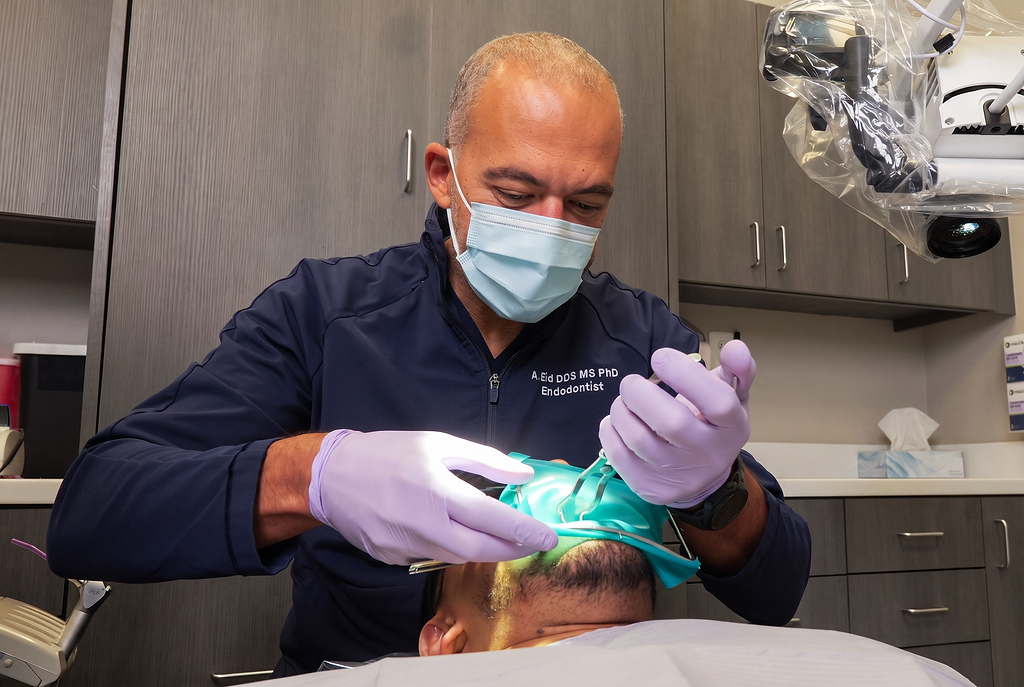
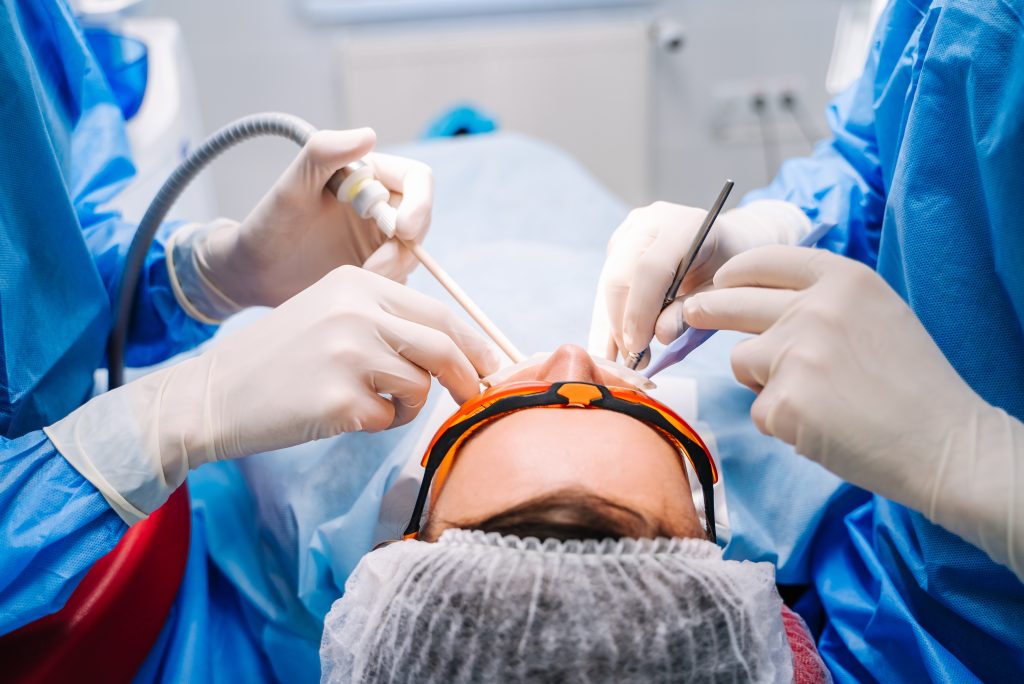
What Happens During Retreatment?
During retreatment, the tooth is reopened to reach the previously treated root canal system.
The existing root canal filling material is removed so the canals can be re-examined. Dr. Eid then inspects the internal anatomy, addresses lasting infection or previously untreated canals, cleans and disinfects the root canal system, and reseals the canals.
Existing crowns, fillings, or posts sometimes need to be removed or modified to reach the root canal system.
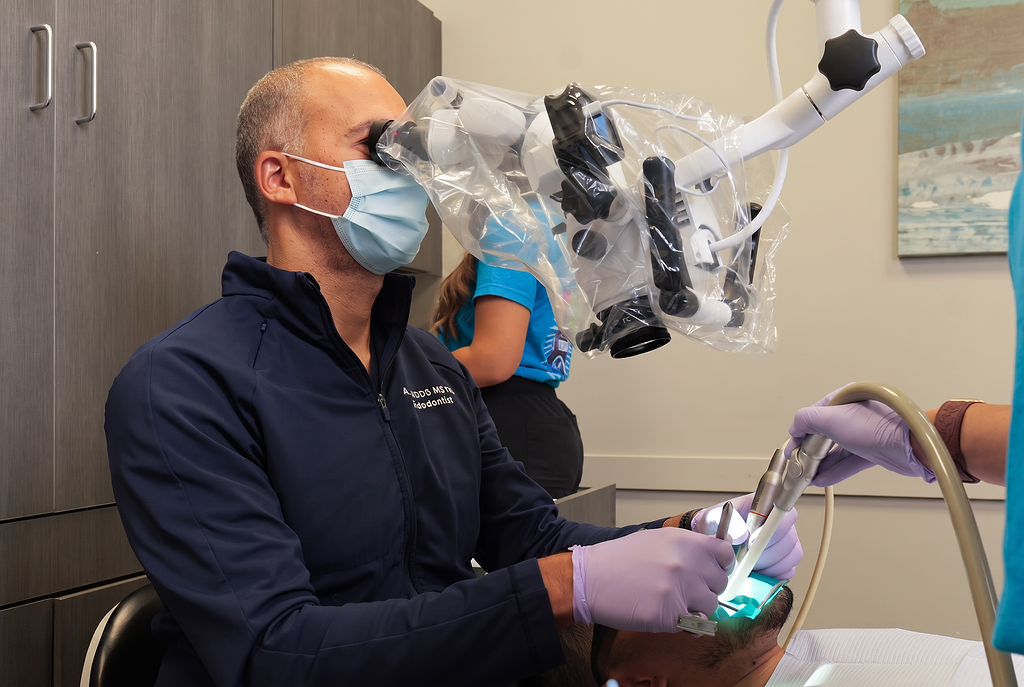
The Role of the Dental Operating Microscope
Retreatment can be technically more complex than an initial root canal.
Dr. Eid uses a dental operating microscope throughout every retreatment procedure. Magnification and lighting are particularly helpful when searching for previously untreated canals, examining complex anatomy, removing prior materials, and identifying defects.
Retreatment, Surgery, or Extraction?
Retreatment is not the right option for every previously treated tooth.
Depending on the cause of the problem and the condition of the tooth, options may include:
- Nonsurgical root canal retreatment
- Endodontic surgery
- Monitoring, in selected situations
- Extraction, when the tooth cannot be predictably kept
Dr. Eid will review the findings and explain which approach offers a reasonable outlook.
Because Stafford Oral Surgery & Specialists includes multiple dental specialties, additional evaluation can also be arranged when gum disease, restorative concerns, or the need for extraction affects the decision.
After Retreatment
Some soreness or tenderness can occur afterward.
The tooth will also need a proper final restoration. Your general or restorative dentist will decide whether a crown or another restoration is recommended and will provide that treatment.
Dr. Eid will communicate with your dentist about the endodontic treatment and the restorative needs.
Frequently Asked Questions
Not necessarily.
A tooth can develop a new problem after initially successful treatment, and some aspects of complex root anatomy may not become apparent until later.
The purpose of the evaluation is to determine why the tooth is having problems now and whether additional treatment can reasonably preserve it.
It can be. The tooth has already been treated and may contain existing filling materials, posts, or restorations that must be worked around. Previously untreated anatomy or returning disease can also add complexity.
No. Dr. Eid considers your symptoms, the examination, the imaging, the previous treatment, changes over time, and the overall outlook before recommending additional treatment.
Endodontic surgery may provide another opportunity to keep the tooth. If the tooth cannot be predictably treated or restored, extraction may be recommended instead.